
Handwritten Batik: The Beauty and Process of Creating Batik Tulis
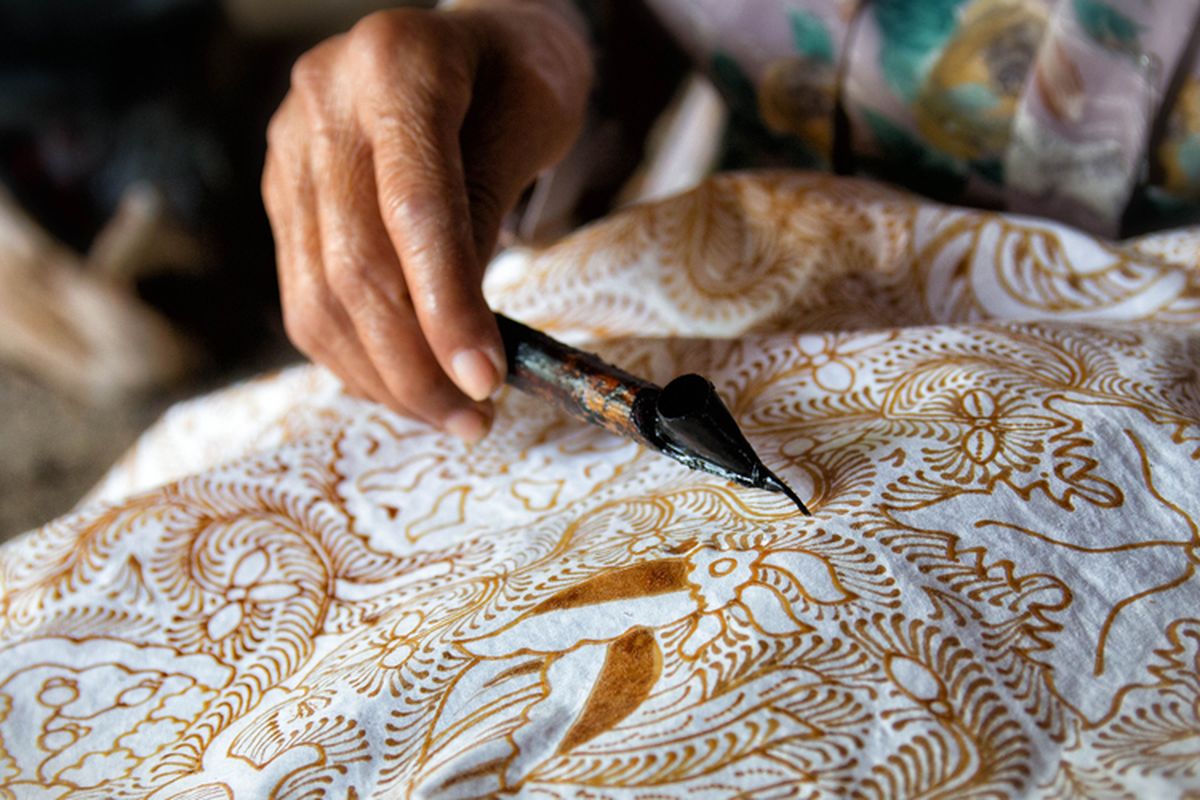
Handwritten batik, known as batik tulis in Indonesian, is a cultural heritage of Indonesia that holds high artistic and historical value. Its intricate and meticulous creation process makes handwritten batik an exclusive and highly valuable product. Handwritten batik is known for its uniqueness and beauty. Each piece of handwritten batik is a one-of-a-kind work of art, as the patterns and motifs produced will never be exactly the same from one piece of fabric to another. This is different from stamped or printed batik, where patterns are made using stamps or prints, allowing for mass production.
What is handwritten batik?
Handwritten batik is a batik-making technique where patterns or motifs are drawn directly onto fabric by hand. The word “handwritten” means “to write,” indicating that every detail of the motif is manually created using a traditional tool called a canting, which functions like a pen.
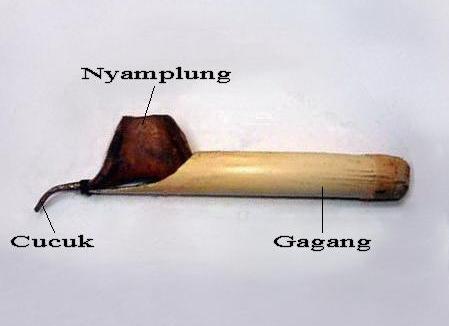
The canting is the primary tool used to create batik patterns by applying wax (batik wax) onto fabric, typically mori cloth. Shaped like a cigar, it is made of copper and wood or bamboo, and consists of three main parts: the cucuk, nyamplung, and gagang.
The cucuk, also known as the carat, is the very tip of the canting, shaped like a curved tube made of copper, and it functions to channel the wax from the nyamplung. The size of the cucuk often determines the thickness of the lines drawn on the fabric. The nyamplung is a small reservoir used to hold the wax. Meanwhile, the gagang is the handle made of wood or bamboo, serving as the hand grip.
There are various shapes and sizes of canting used in batik-making, each with different functions depending on the desired batik motif.
History of Handwritten Batik
The history of handwritten batik in Indonesia is long and rich. Handwritten batik has existed since the era of kingdoms in Java, and its use was once limited to the nobility and royal families. Each batik motif has deep meanings and philosophies, often reflecting social status, significant events, or spiritual beliefs.
Handwritten batik saw significant development during the Mataram Sultanate in the 17th century. During this period, batik became not only a symbol of social status but also an integral part of daily life for the Javanese people.
The Process of Making Handwritten Batik
Creating handwritten batik requires high skill and considerable time. Here are the steps involved in the handwritten batik creation process:
- Preparing the Fabric: The fabric used is typically high-quality cotton or silk. The fabric is washed and boiled to remove impurities and starch, then dried.
- Drawing the Pattern : The pattern or motif is drawn onto the fabric using a pencil or other drawing tool. This serves as the initial guide for the batik artist to proceed to the next steps.
- Using the Canting : The canting is a traditional tool consisting of a handle and a small reservoir for holding liquid wax. The canting is used to apply the wax to the fabric according to the drawn pattern. The wax acts as a resist, preventing the dye from penetrating the areas where the wax is applied.
- Dyeing : Once the waxing process is complete, the fabric is dipped into a dye bath. The areas covered by wax will not absorb the dye. This process can be repeated several times with different waxes and dyes to create complex and colorful motifs.
- Removing the Wax : After the dyeing process is complete, the fabric is boiled to remove the wax. The fabric is then washed and dried.
- Finishing : The finished handwritten batik fabric is inspected to ensure the quality and detail of the motif. If any areas need correction, touch-ups are made. The fabric is then ironed and ready to be used or sold.
The Beauty and Meaning of Handwritten Batik
The beauty of handwritten batik lies not only in its intricate and beautiful motifs but also in the meanings embedded within them. Each handwritten batik motif carries stories and philosophies reflecting the culture and life of the Indonesian people. For example, the parang motif symbolizes strength and courage, while the kawung motif symbolizes justice and wisdom.
Handwritten batik is also often used in various traditional and religious ceremonies, highlighting its important role in the spiritual and social life of the Indonesian people.
Conclusion
Handwritten batik is a cultural heritage that must be preserved and appreciated. Its intricate and artful creation process demonstrates the high dedication and skill of batik artists. As a symbol of Indonesian culture, handwritten batik is not just a fashion product but also a piece of art with deep historical and philosophical value. By understanding and appreciating the process of creating handwritten batik, we can better appreciate the beauty and uniqueness of each piece of batik we own.